GLP-1 Medications Are Changing How People Smell and What They Want to Wear
On semaglutide, tirzepatide, or retatrutide and your perfume smells wrong? GLP-1 drugs rewire scent perception. Here's what's happening and how to find your new signature fragrance.
Millions of people on semaglutide, tirzepatide, and retatrutide are reporting something unexpected: their sense of smell is different. Here's what the science says and what it means for your fragrance wardrobe.
People expect GLP-1 medications to change their appetite. They don't expect them to change how a perfume smells on their skin.
But across Reddit threads, TikTok comments, and fragrance forums, a pattern is emerging: people on semaglutide (Ozempic, Wegovy), tirzepatide (Mounjaro, Zepbound), and newer agents like retatrutide are noticing shifts in scent perception. Sometimes subtle, sometimes dramatic enough to make a beloved perfume smell completely wrong.
If you're on a GLP-1 and your signature scent suddenly smells off, you're not imagining it.
Not sure where your nose has landed? Take the Gush Scent DNA Quiz to find fragrances matched to how you smell things now, not how you used to.
How GLP-1 Medications Affect Your Sense of Smell
GLP-1 (glucagon-like peptide-1) receptors aren't just in your gut. They're expressed throughout the brain, including in the olfactory bulb, the region that processes smell.
When GLP-1 receptor agonists like semaglutide bind to these receptors, they don't just slow gastric emptying. They interact directly with the neural circuitry that interprets scent.
Research published in Nature Metabolism and related journals has shown that GLP-1 signaling plays a role in hedonic processing: how pleasurable or rewarding we perceive things to be, including food smells. The mechanism that makes greasy food smell less irresistible to someone on Ozempic runs through the same olfactory pathways that process your perfume.
Dual agonists like tirzepatide (which targets both GLP-1 and GIP receptors) may amplify this effect further, since GIP receptors are also expressed in brain regions involved in reward and sensory processing. Retatrutide, a triple agonist targeting GLP-1, GIP, and glucagon receptors, is still in trials but early user reports suggest similar olfactory shifts.
What Users Are Actually Reporting
Community reports fall into a few consistent patterns:
- Heightened sensitivity: scents that were once subtle become overwhelming; formerly light fragrances feel loud
- Altered base note perception: musks, ambers, and woody notes are frequently reported as smelling different, sometimes sour or medicinal
- Flanker fatigue: perfumes that smelled great at purchase suddenly smell flat or unappealing
- New preferences: people who were heavy-fragrance wearers gravitating toward cleaner, greener, or aquatic scents
This isn't a side effect listed in the brochure. But it's consistent enough to be worth understanding.
The Olfaction-Appetite Connection: Why It Makes Sense
Here's the part that perfumers have known for decades but the rest of us are only now catching up to: smell and appetite are deeply intertwined.
The olfactory system has a direct line to the limbic system, the brain's emotional and reward center. The same pathway that makes the smell of fresh bread trigger hunger is the one that makes a warm vanilla gourmand perfume feel comforting and pleasurable.
GLP-1 drugs dampen the brain's reward response to food-related cues. Researchers believe this is a significant mechanism behind appetite suppression. It's not just that you feel full sooner; it's that food cues (including smell) become less compelling. This is true of semaglutide, tirzepatide, and is expected to hold for newer molecules like retatrutide as they reach broader use.
The Fragrance Implication
Gourmand fragrances, anything with vanilla, caramel, chocolate, praline, or baked-good notes, are the most commonly reported casualties. These are perfumes that smelled incredible before GLP-1 treatment and now smell cloying, synthetic, or flat.
The working theory: the brain's reward circuitry that made those notes pleasurable has been recalibrated. The perfume didn't change. You did.
Why Skin Chemistry Changes on GLP-1 Medications
There's a second mechanism worth understanding: your skin chemistry changes as you lose weight.
Perfume doesn't just sit on top of your skin. It reacts with it. Body temperature, pH, sebum production, and hormonal levels all affect how a fragrance develops and projects over time.
Weight loss, whether from semaglutide, tirzepatide, or retatrutide, can meaningfully shift:
- Skin pH: affecting how top notes open and how base notes linger
- Hormonal balance: especially estrogen levels, which influence musk perception
- Hydration and sebum: drier skin often means shorter fragrance longevity
Even if GLP-1 drugs had zero effect on your brain's smell processing, the physical changes from significant weight loss could still cause your favorite fragrance to perform differently on your body.
5 Fragrances Worth Trying If GLP-1 Changed Your Nose
These picks consistently land well for people navigating GLP-1-related scent sensitivity. All available to compare and buy on Gush.
Dior Sauvage EDT

Christian Dior — Aromatic Fougere
Calabrian bergamot, lavender, ambroxan. The gold standard of clean aromatic, never sweet, projects confidently without relying on any gourmand notes. A safe bet for a newly sensitized nose.
Diptyque Philosykos
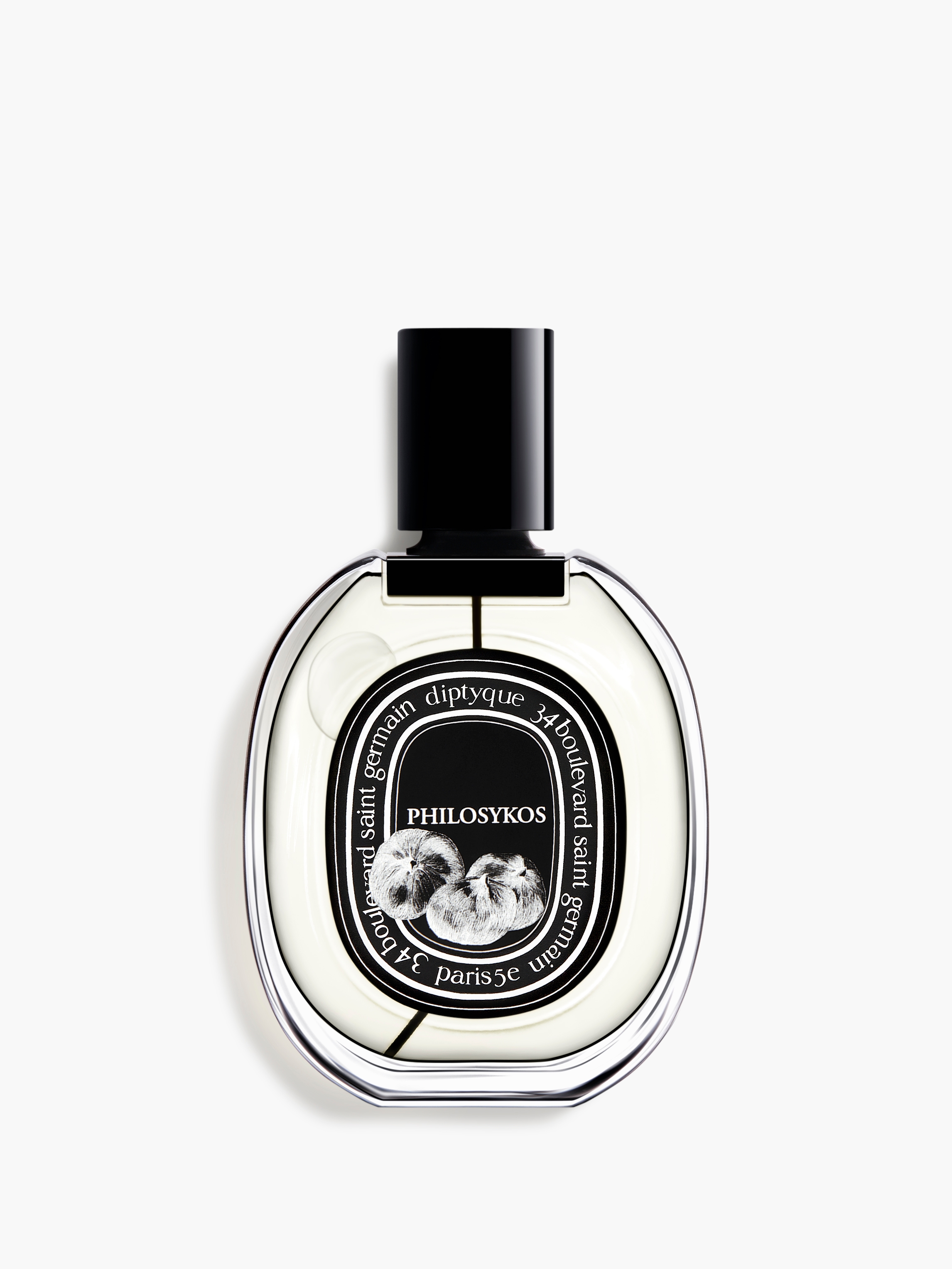
Diptyque — Green / Woody
Fig, fig leaf, cedar. Smells exactly like sitting under a fig tree: dry, green, slightly milky. Zero sweetness. One of the most reported "I finally love this now" fragrances among GLP-1 users.
Giorgio Armani Acqua Di Gio EDT
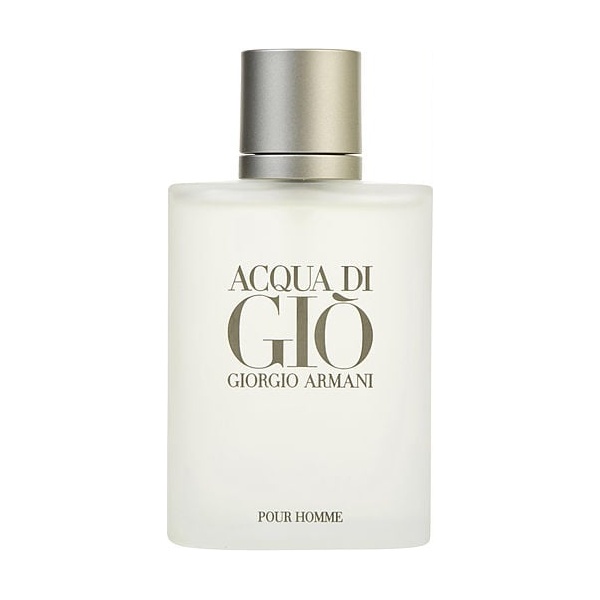
Giorgio Armani — Aquatic / Aromatic
Bergamot, rosemary, marine notes, cedarwood. The original aquatic. Light projection, fresh without being cold, and one of the most skin-compatible fragrances ever made. A reliable reset scent.
Narciso Rodriguez For Her Iridescent EDP
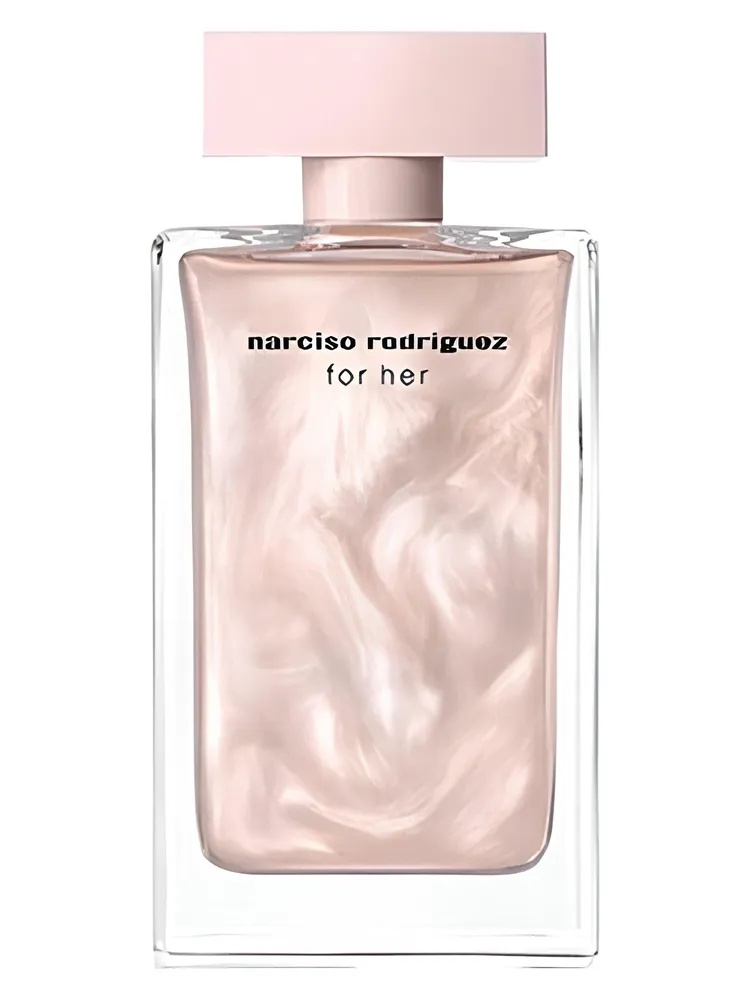
Narciso Rodriguez — Musk / Floral
White musk, rose, sandalwood. The "your skin but elevated" category. Designed to disappear into your skin chemistry, which makes it surprisingly resilient to the skin pH changes that come with weight loss.
Chanel Chance Eau Fraiche EDT
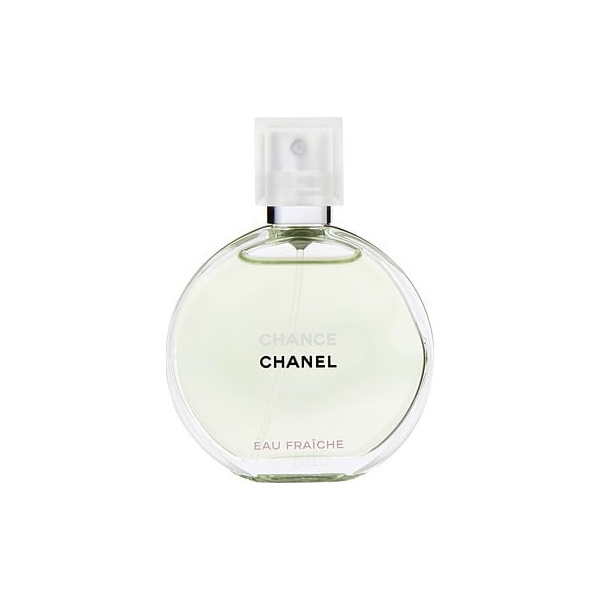
Chanel — Citrus / Green
Citrus, water hyacinth, teak wood, white musk. Bright and breezy with a clean woody base. The anti-gourmand in Chanel's lineup, and consistently one of the most recommended picks in GLP-1 fragrance communities.
How to Test Fragrances When Your Nose Has Changed
- Give it 30 minutes minimum. GLP-1 sensitivity can make top notes feel aggressive, but drydown often smooths out.
- Test on skin, not strips. Your skin chemistry matters now more than ever.
- Try samples before committing. Especially for anything from your pre-GLP-1 favorites list.
- Go lighter on concentration. If EDP was your default, try EDT or cologne versions first.
FAQ
Does Ozempic change your sense of smell permanently?
Current evidence suggests the changes are tied to the medication being active in your system, not a permanent rewiring. Many users report that scent perception normalizes when they stop or reduce dosage, though some describe a lasting shift in preferences even after stopping.
Why do gourmand perfumes smell bad on GLP-1?
GLP-1 medications reduce the brain's reward response to food-related cues, which includes sweet and baked-good scents. Fragrances built on vanilla, caramel, and chocolate notes may register as less pleasurable, or actively unpleasant, because the same neural pathway that made them appealing has been dampened. This effect is reported across semaglutide, tirzepatide, and other GLP-1 receptor agonists.
Does tirzepatide affect smell differently than semaglutide?
Tirzepatide targets both GLP-1 and GIP receptors, and GIP receptors are also present in brain regions involved in sensory reward processing. Some users report more pronounced olfactory sensitivity on tirzepatide (Mounjaro, Zepbound) compared to semaglutide alone, though individual variation is high and formal studies are limited.
What about retatrutide and newer GLP-1 drugs?
Retatrutide is a triple agonist (GLP-1, GIP, glucagon) still in clinical development. User reports from trials suggest similar olfactory changes to tirzepatide. As the drug class expands, the fragrance sensitivity pattern appears consistent across agents.
What fragrances work best on GLP-1 medications?
Clean, aromatic, and citrus-forward fragrances are consistently reported as the most reliably pleasant. Heavily sweet, resinous, or oriental fragrances are the most commonly reported as problematic.
Your Nose Has Changed. Your Fragrance Should Too.
GLP-1 medications are reshaping how millions of people relate to food, weight, and now, scent. If your perfume collection no longer feels like you, that's a signal to explore, not mourn.
Take the Scent DNA Quiz to get personalized picks based on your nose right now, or browse and compare prices across 11,000+ fragrances on Gush.
Gush compares prices across 47 retailers in real time.