GushEstee LauderKnowing
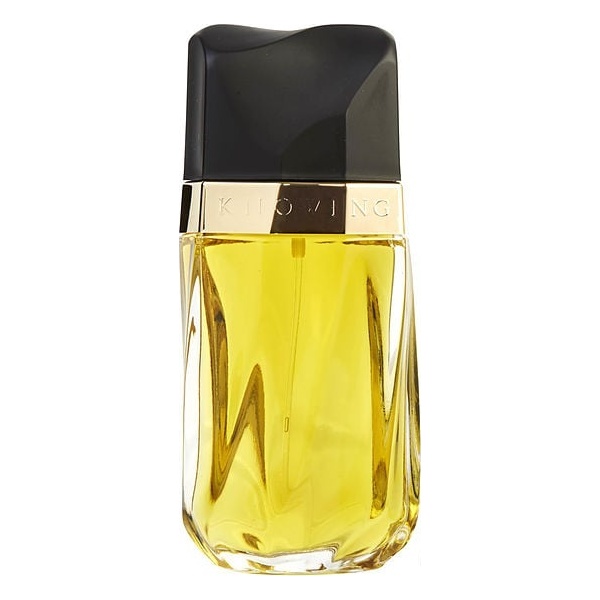
Estee Lauder Knowing
Estee Lauder

Knowing

Fresh
Floral
Rose
White Floral
Iris
Fruity
Green
EDP · 1988 · women

Knowing launched from Estée Lauder in 1988, arriving during a peak era for statement florals. The fragrance captures the confidence and polish the brand built throughout the 1980s, positioning itself as a sophisticated choice for women who wanted presence without apology.

The fragrance opens with a bright aldehydic burst alongside mimosa, rose, and tuberose, softened by green notes and melon. The heart deepens considerably, layering patchouli and cardamom with creamy orris root and a subtle jasmine-orange blossom blend. The base is where Knowing reveals its complexity: a woody-earthy foundation of oakmoss, vetiver, and sandalwood anchored by animalic civet and warm musk, creating something unexpectedly grounded for a floral of its era.

This is a fragrance for someone comfortable with bold florals that have real depth and staying power. It works best during cooler months or evenings when the woody-oriental base can fully develop. If you respond to classic 1980s femininity with an earthy backbone, Knowing deserves consideration. You'll find similar sensibilities in The Homesteader, The Tactician, and The Romantic.

Adds to your fragrance profile · visible to the community

Not yet ratedYour Gush Score
$40Best · 75ml
$4230d Avg
Rate this fragrance
0255075100
/100
Price Comparison4 retailers · updated daily
Size
Updated 291m ago
$39.53Save $56 (59% off retail)
at FragFlex
🔥 Lowest price in 11 days of tracking
$42 low$96 retail
near the low, great time to buy
Buy Now →
RetailerStockPrice
FragFlexBestIn Stock$39.53−$56Buy
AuraFragranceIn Stock$41.98−$54Buy
The Perfume SpotIn Stock$44.08−$52Buy
Perfumania✓ PartnerIn Stock$95.95Buy

✓ authorized retailer · ⚠ verify seller · delta vs. MSRP · we earn a small commission

Price History · 75ml
Low
$42
Avg
$42
Now
$39.53
11 days tracked · 2026-05-14 – 2026-06-02
Alert me when the price drops
We'll notify you once. No spam.
Fragrance Notesbrand verified
Top · 0–30 min
Aldehydes
Aldehydes
The chemical family that created modern perfumery, aldehydes were first used prominently in Chanel N°5 (1921), adding a soapy, abstract, almost metallic sparkle that lifted the fragrance above anything previously possible. They don't smell like anything in nature; their effect is more textural than aromatic. Aldehydic fragrances feel luminous, sophisticated, and distinctly 20th century.
Mimosa
Mimosa
Powdery, honeyed, and softly floral, mimosa has a warm, golden sweetness that feels like sunshine in a bottle. The yellow puffball flowers of the mimosa tree produce an oil that is simultaneously floral, woody, and slightly animalic. A quintessential note of the French Riviera and romantic Provençal perfumery.
Rose
Rose
The queen of floral notes and the most-used ingredient in fine perfumery. Real rose is simultaneously velvety, honeyed, and slightly spicy, nothing like the synthetic candy version. Depending on the variety used, it can anchor a composition or drift through it like a ghost, adding warmth without dominating.
Coriander
Coriander
Warm, spicy, and faintly citrusy, coriander seed smells quite different from the green herb, with a dry, woody warmth and a slight floral quality. It adds a spiced, slightly exotic character to masculine fragrances without the sharpness of pepper or the sweetness of vanilla. A supporting spice note that adds complexity.
Green Notes
Green Notes
Tuberose
Tuberose
One of the most intensely floral natural ingredients in existence, rich, creamy, and almost narcotic in its sweetness. Tuberose is polarizing by design: it's meant to be enveloping, not background. It has rubbery, vanilla-like facets that make it feel both sensual and slightly retro.
Plum
Plum
Dark, slightly tart, and warm, plum has a wine-like depth that makes it more serious than cherry or peach. It adds a fruity darkness to oriental fragrances, with a slightly fermented quality that bridges fruit and leather families. Used to add drama and depth to floral-oriental compositions.
Melon
Melon
Fresh, watery, and clean, cantaloupe or honeydew melon adds a light, slightly aquatic sweetness to fragrance. It's a summer note that feels carefree and modern, closer to the transparent freshness of calone than to heavy tropical fruits. Used in light florals and aquatics to add a breezy, easy sweetness.
Heart · 30 min – 3 hrs
Patchouli
Patchouli
Dense, earthy, and darkly sweet, patchouli is the scent of damp soil and dried herbs with an almost chocolatey richness. It polarizes people because in high concentrations it's overwhelming, but as a supporting note it adds depth and longevity that almost nothing else can match. The backbone of countless oriental and chypre fragrances.
Cardamom
Cardamom
Aromatic, warm, and slightly eucalyptus-like with a spiced green freshness that is entirely its own. Cardamom is one of the most elegant spice notes in perfumery, exotic without being heavy, warm without being sweet. It appears frequently in Middle Eastern-inspired fragrances and modern masculine compositions.
Orris Root
Orris Root
Cedar
Cedar
Bay Leaf
Bay Leaf
Warm, herbal, and slightly medicinal, bay laurel has a spiced, slightly clove-like warmth alongside its green herbal quality. It was one of the first aromatics used by ancient civilizations and appears in the classic 'barbershop' masculine fragrance profile. Adds a confident, clean-shaven warmth to fresh and woody compositions.
Jasmine
Jasmine
Intoxicating, heady, and slightly animalic, jasmine is one of the few flowers that smells as rich in a bottle as it does climbing a garden wall at dusk. It has an almost fleshy, indolic quality that stops it reading as purely 'clean.' Jasmine is a workhorse in both feminine and masculine perfumery, adding depth and soul.
Orange Blossom
Orange Blossom
Sweeter and more honeyed than neroli (both come from the same tree), orange blossom is a floral note with a warm, almost edible quality. It floats between citrus and floral families, adding richness without weight. A signature note of classic Mediterranean and Middle Eastern perfumery.
Lily-of-the-Valley
Lily-of-the-Valley
Pitosporum
Pitosporum
Base · 3–12 hrs
Oakmoss
Oakmoss
The defining ingredient of classic chypre perfumery, damp, forest-floor earthy with a faint bitterness and incredible complexity. Real oakmoss is now heavily restricted by IFRA regulations, which is why vintage chypres smell so different from modern ones. When present, it creates a raw, outdoorsy anchor that no synthetic fully replicates.
Patchouli
Patchouli
Dense, earthy, and darkly sweet, patchouli is the scent of damp soil and dried herbs with an almost chocolatey richness. It polarizes people because in high concentrations it's overwhelming, but as a supporting note it adds depth and longevity that almost nothing else can match. The backbone of countless oriental and chypre fragrances.
Civet
Civet
An animalic note with a raw, musky, slightly fecal quality that might sound unappealing but adds extraordinary depth and sensuality in small amounts. Natural civet is no longer used (it was obtained unethically); modern substitutes are kinder but similarly provocative. A hallmark of classic Chanel and Guerlain fragrances.
Vetiver
Vetiver
Earthy, smoky, and complex, vetiver root is extracted from a grass native to India and has a scent that is simultaneously rooty, woody, and slightly lemony. It's one of perfumery's great base notes: tenacious, unisex, and endlessly adaptable. A fragrance built around vetiver feels grounded and deeply confident.
Spices
Spices
Sandalwood
Sandalwood
Creamy, smooth, and milky with a soft, skin-like warmth that clings beautifully. True Mysore sandalwood is one of perfumery's most precious ingredients, simultaneously wood and skin, never cold or sharp. It rounds off sharp edges in any composition and makes the wearer smell subtly, irresistibly warmer.
Orris Root
Orris Root
Amber
Amber
A warm, resinous accord rather than a single ingredient, amber is typically built from labdanum, benzoin, and vanilla to create a rich, honeyed, almost solar warmth. It's the quintessential base-note family, adding a comforting richness that makes fragrances feel complete. The difference between a fragrance feeling cold and feeling alive.
Musk
Musk
The base layer of almost every modern fragrance, a soft, warm, skin-like scent that extends longevity and bridges other notes together. Natural musk was once derived from deer (now banned); today's musks are synthetic and range from clean and soapy to dark and animalic. The right musk makes a fragrance smell like 'you.'
Community
Rate this fragrance
Rate this fragrance
0255075100
/100
Most Popular with this Scent DNA Type?
🏡
The Homesteader
Rooted, warm, and entirely self-sufficient.
Warm skin musks, sandalwood, soft cedar, clean vetiver. Grounding, intimate, unhurried.
Discover your type →
Fragrance Family
Floral Oriental
EDP
Decants Available
1
listings in stock
15ml$1.13/ml

Estee Lauder Knowing— Prices, Coupons & Buying Guide

Best price today: Knowing is $39.53. Without a coupon the lowest price is $39.53. Gush tracks 47+ retailers updated every 2 hours.

Are grey market retailers authentic?

Yes. Jomashop, FragranceNet, and MaxAroma sell 100% authentic Estee Lauder fragrances through unofficial distribution channels. The fragrance is identical to department store stock. Grey market refers to the supply chain, not product quality. The price difference comes entirely from the distribution channel.

Frequently asked questions

Cheapest price for Estee Lauder Knowing? +
$39.53 at FragFlex. Gush compares 47+ retailers updated every 2 hours.
Is $39.53 a good price for Knowing? +
Yes. The current best price is $39.53 and MSRP is $95.95. At $39.53 you save 59% vs retail.
What does Estee Lauder Knowing smell like? +
Knowing launched from Estée Lauder in 1988, arriving during a peak era for statement florals. The fragrance captures the confidence and polish the brand built throughout the 1980s, positioning itself as a sophisticated choice for women who wanted presence without apology. The fragrance opens with a bright aldehydic burst alongside mimosa, rose, and tuberose, softened by green notes and melon. The heart deepens considerably, layering patchouli and cardamom with creamy orris root and a subtle jasmine-orange blossom blend. The base is where Knowing reveals its complexity: a woody-earthy foundation of oakmoss, vetiver, and sandalwood anchored by animalic civet and warm musk, creating something unexpectedly grounded for a floral of its era. This is a fragrance for someone comfortable with bold florals that have real depth and staying power. It works best during cooler months or evenings when the woody-oriental base can fully develop. If you respond to classic 1980s femininity with an earthy backbone, Knowing deserves consideration. You'll find similar sensibilities in The Homesteader, The Tactician, and The Romantic.
What are the notes in Estee Lauder Knowing? +
Top: Aldehydes, Mimosa, Rose, Coriander, Green Notes, Tuberose, Plum, Melon. Heart: Patchouli, Cardamom, Orris Root, Cedar, Bay Leaf, Jasmine, Orange Blossom, Lily-of-the-Valley, Pitosporum. Base: Oakmoss, Patchouli, Civet, Vetiver, Spices, Sandalwood, Orris Root, Amber, Musk.
What fragrance family is Knowing? +
Estee Lauder Knowing belongs to the Floral Oriental fragrance family. It is an EDP.
What other fragrances smell like Estee Lauder Knowing? +
What is a grey market fragrance retailer? +
Grey market retailers sell authentic fragrances sourced through unofficial distribution -- typically excess inventory from authorized distributors. The product is real and identical to retail. FragranceNet (est. 1997), Jomashop, and MaxAroma are well-established with millions of verified reviews.

Gush earns a commission on purchases at no cost to you · Prices update every 2 hours · Coupon success rates based on affiliate feed data · Grey market = authentic, unofficial supply chain