GushGiorgio ArmaniArmani for women
Giorgio Armani Armani for women
Giorgio Armani

Armani for women

Citrus
Fresh
Floral
Rose
Jasmine
White Floral
Iris
EDT · 1981 · womens

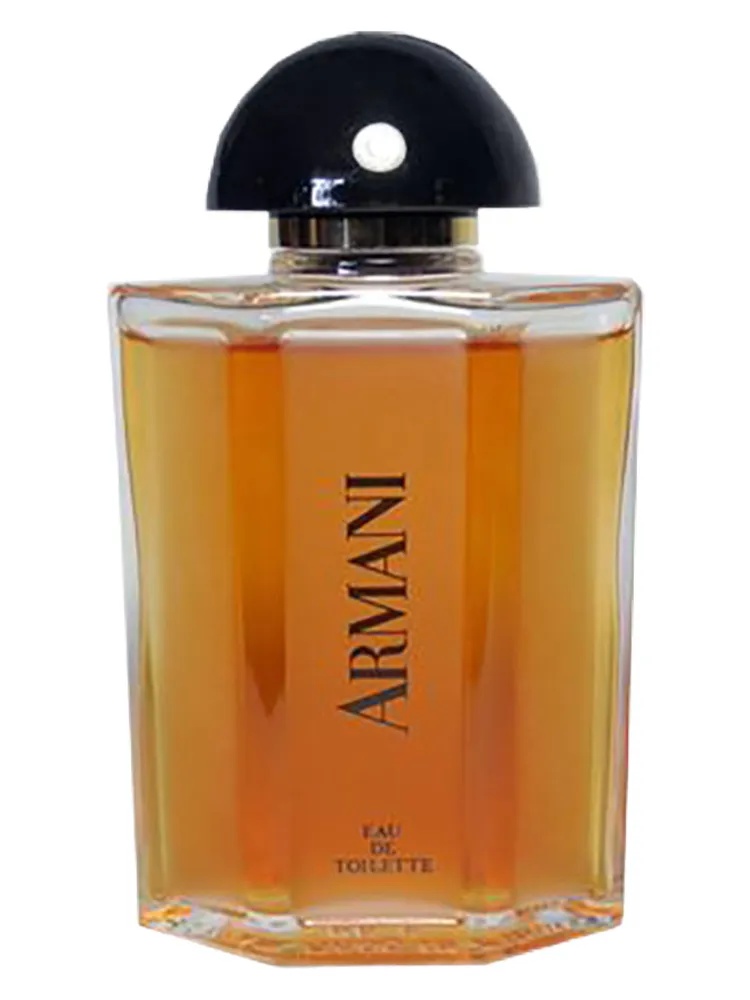
Armani for women arrived in 1981 as Giorgio Armani's debut fragrance, establishing the designer's presence in perfumery during an era when fashion houses were just beginning to take fragrance seriously. The scent became emblematic of the '80s chypre movement and remains a touchstone for the category.

The fragrance opens with a sharp burst of galbanum and aldehydes, brightened by bergamot and pineapple with a subtle minty snap. A lush white floral heart unfolds across narcissus, tuberose, and jasmine, grounded by orris root that adds a powdery, earthy dimension. The base settles into a woody-ambery warmth, combining oakmoss and cedar with tonka bean sweetness and musk for a sophisticated dry-down that retains the fragrance's elegant restraint.

This is a chypre built for someone who appreciates structure and classical beauty, neither overly sweet nor aggressively green. It works well as a daytime professional scent and transitions seamlessly into evening wear. The fragrance suits those drawn to The Homesteader, The Tactician, and The Romantic archetypes.

Adds to your fragrance profile · visible to the community

Not yet ratedYour Gush Score
$86Best · 90ml
Rate this fragrance
0255075100
/100
Price Comparison1 retailers · updated daily
Size
Updated 1734m ago
$86.19
at The Perfume Spot
Buy Now →
RetailerStockPrice
The Perfume SpotBestIn Stock$86.19Buy

✓ authorized retailer · ⚠ verify seller · delta vs. MSRP · we earn a small commission

Alert me when the price drops
We'll notify you once. No spam.
Fragrance Notesbrand verified
Top · 0–30 min
Galbanum
Galbanum
One of perfumery's oldest raw materials, a bitter, intensely green resin with a cut-grass, slightly medicinal quality. It's the note that gives vintage green chypres their sharp, naturalistic edge. Galbanum alone is almost unpleasantly aggressive, but in a composition it adds a vivid green freshness that nothing else can match.
Marigold
Marigold
Pungent, earthy, and bitter-green, marigold is one of perfumery's more challenging florals. Unlike romantic rose or sweet jasmine, marigold smells of sun-warmed earth and slightly sharp greenery with a medicinal edge. It adds a grounded, uncommon naturalness to compositions that want to smell genuinely alive.
Aldehydes
Aldehydes
The chemical family that created modern perfumery, aldehydes were first used prominently in Chanel N°5 (1921), adding a soapy, abstract, almost metallic sparkle that lifted the fragrance above anything previously possible. They don't smell like anything in nature; their effect is more textural than aromatic. Aldehydic fragrances feel luminous, sophisticated, and distinctly 20th century.
Bergamot
Bergamot
A sun-ripened Italian citrus with a brightness that goes beyond lemon, simultaneously tart, floral, and slightly spicy. It's the defining note of Earl Grey tea and the backbone of countless fresh colognes. Perfumers love it as an opener because it lifts the entire composition without overpowering what follows.
Pineapple
Pineapple
Vivid, tropical, and intensely sweet with a slightly fermented, almost winey quality, pineapple is one of the most assertive tropical fruit notes. It adds an immediate, unambiguous tropical sweetness that can dominate if used too heavily. In moderate amounts it adds a lively, summery energy to fruity and aquatic compositions.
Mint
Mint
Cool, sharp, and immediately recognizable, mint adds a clean, almost medicinal freshness that cuts through heavier notes. Spearmint is sweeter; peppermint is sharper. Either way, mint gives fragrances a lively, brisk quality that reads as alert and outdoorsy. Best used as an accent rather than a lead to avoid smelling like toothpaste.
Heart · 30 min – 3 hrs
Narcissus
Narcissus
Green, honeyed, and slightly rubbery, narcissus (daffodil) is one of perfumery's most complex and difficult white florals. It has an almost animalic indolic quality alongside its sweetness, giving it a raw, living-flower character that synthetic white musks can't match. Used carefully it adds extraordinary depth.
Orris Root
Orris Root
Tuberose
Tuberose
One of the most intensely floral natural ingredients in existence, rich, creamy, and almost narcotic in its sweetness. Tuberose is polarizing by design: it's meant to be enveloping, not background. It has rubbery, vanilla-like facets that make it feel both sensual and slightly retro.
Rose
Rose
The queen of floral notes and the most-used ingredient in fine perfumery. Real rose is simultaneously velvety, honeyed, and slightly spicy, nothing like the synthetic candy version. Depending on the variety used, it can anchor a composition or drift through it like a ghost, adding warmth without dominating.
Jasmine
Jasmine
Intoxicating, heady, and slightly animalic, jasmine is one of the few flowers that smells as rich in a bottle as it does climbing a garden wall at dusk. It has an almost fleshy, indolic quality that stops it reading as purely 'clean.' Jasmine is a workhorse in both feminine and masculine perfumery, adding depth and soul.
Cyclamen
Cyclamen
Crisp, watery, and slightly green with a delicate floral sweetness, cyclamen is one of perfumery's more transparent flowers. It evokes mountain air and rain-wet gardens rather than a florist's shop. Used to add a clean, airy quality to floral compositions that might otherwise feel dense.
Lily-of-the-Valley
Lily-of-the-Valley
Orchid
Orchid
Exotic, slightly sweet, and airy, 'orchid' in perfumery is usually a constructed accord rather than a direct extract, designed to evoke the flower's mysterious tropical beauty. Depending on the perfumer, it can read as vanilla-like and warm or cool and green. A note that suggests luxury and rarity.
Base · 3–12 hrs
Oakmoss
Oakmoss
The defining ingredient of classic chypre perfumery, damp, forest-floor earthy with a faint bitterness and incredible complexity. Real oakmoss is now heavily restricted by IFRA regulations, which is why vintage chypres smell so different from modern ones. When present, it creates a raw, outdoorsy anchor that no synthetic fully replicates.
Benzoin
Benzoin
Sweet, warm, and balsamic, benzoin resin smells like vanilla mixed with incense, with a powdery, slightly medicinal edge. It adds a comforting warmth and fixative quality to oriental fragrances, and blends beautifully with spices. Often used to smooth and round off sharp edges in complex base notes.
Cedar
Cedar
Amber
Amber
A warm, resinous accord rather than a single ingredient, amber is typically built from labdanum, benzoin, and vanilla to create a rich, honeyed, almost solar warmth. It's the quintessential base-note family, adding a comforting richness that makes fragrances feel complete. The difference between a fragrance feeling cold and feeling alive.
Sandalwood
Sandalwood
Creamy, smooth, and milky with a soft, skin-like warmth that clings beautifully. True Mysore sandalwood is one of perfumery's most precious ingredients, simultaneously wood and skin, never cold or sharp. It rounds off sharp edges in any composition and makes the wearer smell subtly, irresistibly warmer.
Tonka Bean
Tonka Bean
Sweet, powdery, and almond-like with hay-like, slightly tobacco undertones, tonka bean is one of perfumery's most useful base notes. It shares coumarin with fresh hay and freshly cut grass, adding a warmth that feels nostalgic and comforting. Essential in gourmand and soft oriental fragrances.
Musk
Musk
The base layer of almost every modern fragrance, a soft, warm, skin-like scent that extends longevity and bridges other notes together. Natural musk was once derived from deer (now banned); today's musks are synthetic and range from clean and soapy to dark and animalic. The right musk makes a fragrance smell like 'you.'
Community
Rate this fragrance
Rate this fragrance
0255075100
/100
Most Popular with this Scent DNA Type?
🏡
The Homesteader
Rooted, warm, and entirely self-sufficient.
Warm skin musks, sandalwood, soft cedar, clean vetiver. Grounding, intimate, unhurried.
Discover your type →
Fragrance Family
Chypre
EDT
Decants Available
6
listings in stock
2ml$4.39/ml3ml$3.60/ml5ml$2.96/ml5ml$3.40/ml

Giorgio Armani Armani for women— Prices, Coupons & Buying Guide

Best price today: Armani for women is $58.59. Without a coupon the lowest price is $58.59. Gush tracks 47+ retailers updated every 2 hours.

Are grey market retailers authentic?

Yes. Jomashop, FragranceNet, and MaxAroma sell 100% authentic Giorgio Armani fragrances through unofficial distribution channels. The fragrance is identical to department store stock. Grey market refers to the supply chain, not product quality. The price difference comes entirely from the distribution channel.

Frequently asked questions

Cheapest price for Giorgio Armani Armani for women? +
$58.59 at The Perfume Spot. Gush compares 47+ retailers updated every 2 hours.
What does Giorgio Armani Armani for women smell like? +
Armani for women arrived in 1981 as Giorgio Armani's debut fragrance, establishing the designer's presence in perfumery during an era when fashion houses were just beginning to take fragrance seriously. The scent became emblematic of the '80s chypre movement and remains a touchstone for the category. The fragrance opens with a sharp burst of galbanum and aldehydes, brightened by bergamot and pineapple with a subtle minty snap. A lush white floral heart unfolds across narcissus, tuberose, and jasmine, grounded by orris root that adds a powdery, earthy dimension. The base settles into a woody-ambery warmth, combining oakmoss and cedar with tonka bean sweetness and musk for a sophisticated dry-down that retains the fragrance's elegant restraint. This is a chypre built for someone who appreciates structure and classical beauty, neither overly sweet nor aggressively green. It works well as a daytime professional scent and transitions seamlessly into evening wear. The fragrance suits those drawn to The Homesteader, The Tactician, and The Romantic archetypes.
What are the notes in Giorgio Armani Armani for women? +
Top: Galbanum, Marigold, Aldehydes, Bergamot, Pineapple, Mint. Heart: Narcissus, Orris Root, Tuberose, Rose, Jasmine, Cyclamen, Lily-of-the-Valley, Orchid. Base: Oakmoss, Benzoin, Cedar, Amber, Sandalwood, Tonka Bean, Musk.
What fragrance family is Armani for women? +
Giorgio Armani Armani for women belongs to the Chypre fragrance family. It is an EDT.
What other fragrances smell like Giorgio Armani Armani for women? +
What is a grey market fragrance retailer? +
Grey market retailers sell authentic fragrances sourced through unofficial distribution -- typically excess inventory from authorized distributors. The product is real and identical to retail. FragranceNet (est. 1997), Jomashop, and MaxAroma are well-established with millions of verified reviews.

Gush earns a commission on purchases at no cost to you · Prices update every 2 hours · Coupon success rates based on affiliate feed data · Grey market = authentic, unofficial supply chain