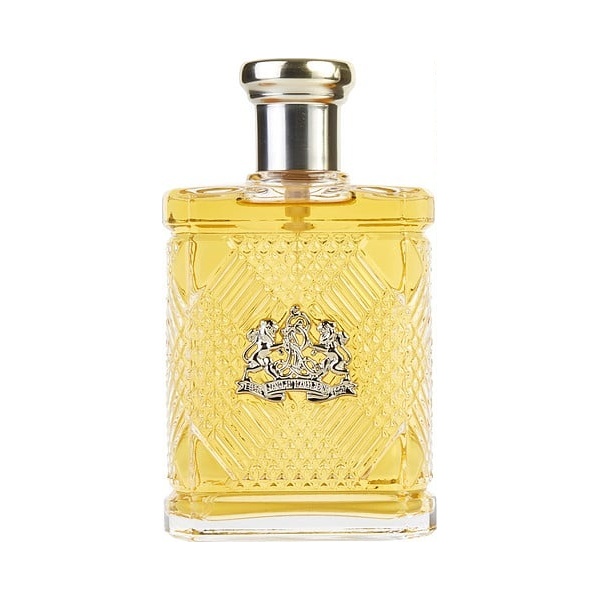
GushRalph LaurenSafari
Ralph Lauren Safari
Ralph Lauren

Safari

Citrus
Fresh
Floral
Rose
Jasmine
White Floral
Green
EDT · 1992 · mens

Ralph Lauren's Safari, launched in 1992, remains a cornerstone of the brand's fragrance portfolio. It represents a key moment when Ralph Lauren was establishing itself as a lifestyle authority, and Safari captures that adventurous spirit in a bottle.

The fragrance opens with a sharp, herbaceous burst of artemisia and green notes alongside citrus brightness from bergamot and neroli, held together by aldehydes that give it a crisp, clean quality. The heart develops into a spiced, slightly floral territory with cinnamon and carnation taking center stage, rounded out by jasmine and rose. A substantial base of cedar, oakmoss, and leather provides structure and longevity, grounded by musk and sandalwood that prevent it from feeling too sharp. Overall, Safari is a green aromatic with genuine substance, walking the line between fresh and earthy without becoming overly woody.

This is a fragrance for someone who appreciates classic men's fragrances with real depth. It works best as a daytime to early evening scent, particularly in spring and autumn when its herbaceous and woody qualities shine. Safari suits the wearer who values a refined, somewhat intellectual approach to fragrance. If you respond to The Aristocrat, The Sensualist, and The Tactician, you'll likely appreciate what Safari offers.

Adds to your fragrance profile · visible to the community

Not yet ratedYour Gush Score
ModerateLongevity
$37Best · 125ml
$6230d Avg
Rate this fragrance
0255075100
/100
Price Comparison3 retailers · updated daily
Size
Updated 261m ago
$36.64Save $59 (62% off retail)
at The Perfume Spot
🔥 Lowest price in 11 days of tracking
$36 low$95 retail
near the low, great time to buy
Buy Now →
RetailerStockPrice
The Perfume SpotBestIn Stock$36.64−$59Buy
FragranceNet✓ PartnerIn Stock$72.99−$22Buy
Fragrance OriginalIn Stock$95.39Buy

✓ authorized retailer · ⚠ verify seller · delta vs. MSRP · we earn a small commission

Price History · 125ml
Low
$36
Avg
$62
Now
$36.64
11 days tracked · 2026-04-21 – 2026-05-16
Alert me when the price drops
We'll notify you once. No spam.
Fragrance Notesbrand verified
Top · 0–30 min
Aldehydes
Aldehydes
The chemical family that created modern perfumery, aldehydes were first used prominently in Chanel N°5 (1921), adding a soapy, abstract, almost metallic sparkle that lifted the fragrance above anything previously possible. They don't smell like anything in nature; their effect is more textural than aromatic. Aldehydic fragrances feel luminous, sophisticated, and distinctly 20th century.
Artemisia
Artemisia
The wormwood family, artemisia adds a dry, herbal, slightly bitter greenness that evokes wild Mediterranean hillsides and ancient apothecaries. It's the botanical that gives absinthe its distinctive aura. In perfumery it grounds compositions in something honest and slightly difficult, which makes them feel more real.
Bergamot
Bergamot
A sun-ripened Italian citrus with a brightness that goes beyond lemon, simultaneously tart, floral, and slightly spicy. It's the defining note of Earl Grey tea and the backbone of countless fresh colognes. Perfumers love it as an opener because it lifts the entire composition without overpowering what follows.
Coriander
Coriander
Warm, spicy, and faintly citrusy, coriander seed smells quite different from the green herb, with a dry, woody warmth and a slight floral quality. It adds a spiced, slightly exotic character to masculine fragrances without the sharpness of pepper or the sweetness of vanilla. A supporting spice note that adds complexity.
Green Notes
Green Notes
Lavender
Lavender
One of perfumery's most essential and beloved notes, clean, herbal, and slightly sweet with a calming, familiar quality that works in almost any context. Lavender is simultaneously the most versatile and the most human of ingredients: it appears in barbershop colognes, romantic florals, and sophisticated orientals alike. A note that simply works.
Lemon
Lemon
Sharp, clean, and instantly familiar, the pure zest of fresh-cut lemon peel, not the sugary juice. In perfumery it reads as crisp and energising rather than sweet, and is often used to amplify other light notes. It fades quickly, so it's almost always a top note that makes a striking first impression.
Neroli
Neroli
Distilled from bitter orange blossoms, neroli sits at the intersection of citrus and floral, bright and slightly waxy, with a honeyed depth that other citrus notes lack. It's one of the most complex natural ingredients in perfumery, simultaneously fresh and rich. A little neroli makes almost any fragrance feel expensive.
Heart · 30 min – 3 hrs
Carnation
Carnation
Spicy, clove-like, and slightly powdery, carnation is one of perfumery's oldest floral notes, with a warm, almost peppery character that distinguishes it from softer flowers. It has a vintage, slightly old-fashioned quality that is coming back into fashion. Think pressed flowers in an old book, warm and complex.
Cinnamon
Cinnamon
Sweet, warm, and instantly comforting, cinnamon bark has a familiar warmth that slides easily into oriental and gourmand fragrances. Used sparingly it adds a pleasant warmth; used heavily it can dominate. It has a slightly sharp, peppery facet alongside its sweetness that keeps it from being purely foodie.
Cyclamen
Cyclamen
Crisp, watery, and slightly green with a delicate floral sweetness, cyclamen is one of perfumery's more transparent flowers. It evokes mountain air and rain-wet gardens rather than a florist's shop. Used to add a clean, airy quality to floral compositions that might otherwise feel dense.
Jasmine
Jasmine
Intoxicating, heady, and slightly animalic, jasmine is one of the few flowers that smells as rich in a bottle as it does climbing a garden wall at dusk. It has an almost fleshy, indolic quality that stops it reading as purely 'clean.' Jasmine is a workhorse in both feminine and masculine perfumery, adding depth and soul.
Rose
Rose
The queen of floral notes and the most-used ingredient in fine perfumery. Real rose is simultaneously velvety, honeyed, and slightly spicy, nothing like the synthetic candy version. Depending on the variety used, it can anchor a composition or drift through it like a ghost, adding warmth without dominating.
Tarragon
Tarragon
Anise-like, green, and slightly sharp, tarragon has a distinctive herbal character with a faint licorice quality that is more delicate than star anise. It adds a French culinary elegance to fragrances, evoking fine dining and herb gardens. Surprisingly versatile, it appears in both fresh aromatic and oriental compositions.
Base · 3–12 hrs
Amber
Amber
A warm, resinous accord rather than a single ingredient, amber is typically built from labdanum, benzoin, and vanilla to create a rich, honeyed, almost solar warmth. It's the quintessential base-note family, adding a comforting richness that makes fragrances feel complete. The difference between a fragrance feeling cold and feeling alive.
Cedar
Cedar
Leather
Leather
One of perfumery's most complex accords, smoky, animalic, and slightly woody, evoking tanned hide, polished saddles, or fine gloves depending on the recipe. Leather adds sophistication and edge simultaneously, and is deeply associated with masculinity in Western perfumery (though the best leather fragrances transcend gender entirely).
Musk
Musk
The base layer of almost every modern fragrance, a soft, warm, skin-like scent that extends longevity and bridges other notes together. Natural musk was once derived from deer (now banned); today's musks are synthetic and range from clean and soapy to dark and animalic. The right musk makes a fragrance smell like 'you.'
Oakmoss
Oakmoss
The defining ingredient of classic chypre perfumery, damp, forest-floor earthy with a faint bitterness and incredible complexity. Real oakmoss is now heavily restricted by IFRA regulations, which is why vintage chypres smell so different from modern ones. When present, it creates a raw, outdoorsy anchor that no synthetic fully replicates.
Patchouli
Patchouli
Dense, earthy, and darkly sweet, patchouli is the scent of damp soil and dried herbs with an almost chocolatey richness. It polarizes people because in high concentrations it's overwhelming, but as a supporting note it adds depth and longevity that almost nothing else can match. The backbone of countless oriental and chypre fragrances.
Sandalwood
Sandalwood
Creamy, smooth, and milky with a soft, skin-like warmth that clings beautifully. True Mysore sandalwood is one of perfumery's most precious ingredients, simultaneously wood and skin, never cold or sharp. It rounds off sharp edges in any composition and makes the wearer smell subtly, irresistibly warmer.
Community
Rate this fragrance
Rate this fragrance
0255075100
/100
Most Popular with this Scent DNA Type?
🎩
The Aristocrat
Timeless doesn't try. It simply is.
Cool, clean, commanding. Heritage aromatics, classic citrus, dry fougères, refined woods.
Discover your type →
Fragrance Family
Green/Aromatic
EDT
Decants Available
8
listings in stock
1ml$5.99/ml2ml$3.90/ml3ml$2.93/ml5ml$2.56/ml

Ralph Lauren Safari— Prices, Coupons & Buying Guide

Best price today: Safari is $36.64. Without a coupon the lowest price is $36.64. Gush tracks 47+ retailers updated every 2 hours.

Are grey market retailers authentic?

Yes. Jomashop, FragranceNet, and MaxAroma sell 100% authentic Ralph Lauren fragrances through unofficial distribution channels. The fragrance is identical to department store stock. Grey market refers to the supply chain, not product quality. The price difference comes entirely from the distribution channel.

Frequently asked questions

Cheapest price for Ralph Lauren Safari? +
$36.64 at The Perfume Spot. Gush compares 47+ retailers updated every 2 hours.
Is $36.64 a good price for Safari? +
Yes. The current best price is $36.64 and MSRP is $95.39. At $36.64 you save 62% vs retail.
What does Ralph Lauren Safari smell like? +
Ralph Lauren's Safari, launched in 1992, remains a cornerstone of the brand's fragrance portfolio. It represents a key moment when Ralph Lauren was establishing itself as a lifestyle authority, and Safari captures that adventurous spirit in a bottle. The fragrance opens with a sharp, herbaceous burst of artemisia and green notes alongside citrus brightness from bergamot and neroli, held together by aldehydes that give it a crisp, clean quality. The heart develops into a spiced, slightly floral territory with cinnamon and carnation taking center stage, rounded out by jasmine and rose. A substantial base of cedar, oakmoss, and leather provides structure and longevity, grounded by musk and sandalwood that prevent it from feeling too sharp. Overall, Safari is a green aromatic with genuine substance, walking the line between fresh and earthy without becoming overly woody. This is a fragrance for someone who appreciates classic men's fragrances with real depth. It works best as a daytime to early evening scent, particularly in spring and autumn when its herbaceous and woody qualities shine. Safari suits the wearer who values a refined, somewhat intellectual approach to fragrance. If you respond to The Aristocrat, The Sensualist, and The Tactician, you'll likely appreciate what Safari offers.
What are the notes in Ralph Lauren Safari? +
Top: Aldehydes, Artemisia, Bergamot, Coriander, Green Notes, Lavender, Lemon, Neroli. Heart: Carnation, Cinnamon, Cyclamen, Jasmine, Rose, Tarragon. Base: Amber, Cedar, Leather, Musk, Oakmoss, Patchouli, Sandalwood.
What fragrance family is Safari? +
Ralph Lauren Safari belongs to the Green/Aromatic fragrance family. It is an EDT.
What is a grey market fragrance retailer? +
Grey market retailers sell authentic fragrances sourced through unofficial distribution -- typically excess inventory from authorized distributors. The product is real and identical to retail. FragranceNet (est. 1997), Jomashop, and MaxAroma are well-established with millions of verified reviews.

Gush earns a commission on purchases at no cost to you · Prices update every 2 hours · Coupon success rates based on affiliate feed data · Grey market = authentic, unofficial supply chain